Exploring Local Flavors: How Medical Meals are Adapted in the Triangle Area


Understanding Medical Meals
In the Triangle Area, the fusion of diverse culinary traditions with nutritional science has led to the rise of personalized medical meals. These meals are carefully crafted to address specific health needs while celebrating local flavors. This approach not only enhances wellness but also makes dietary changes more enjoyable.
Medical meals are designed to support individuals with various health conditions such as diabetes, heart disease, and food allergies. By incorporating local ingredients, these meals not only provide health benefits but also help support the local economy.
The Role of Local Ingredients
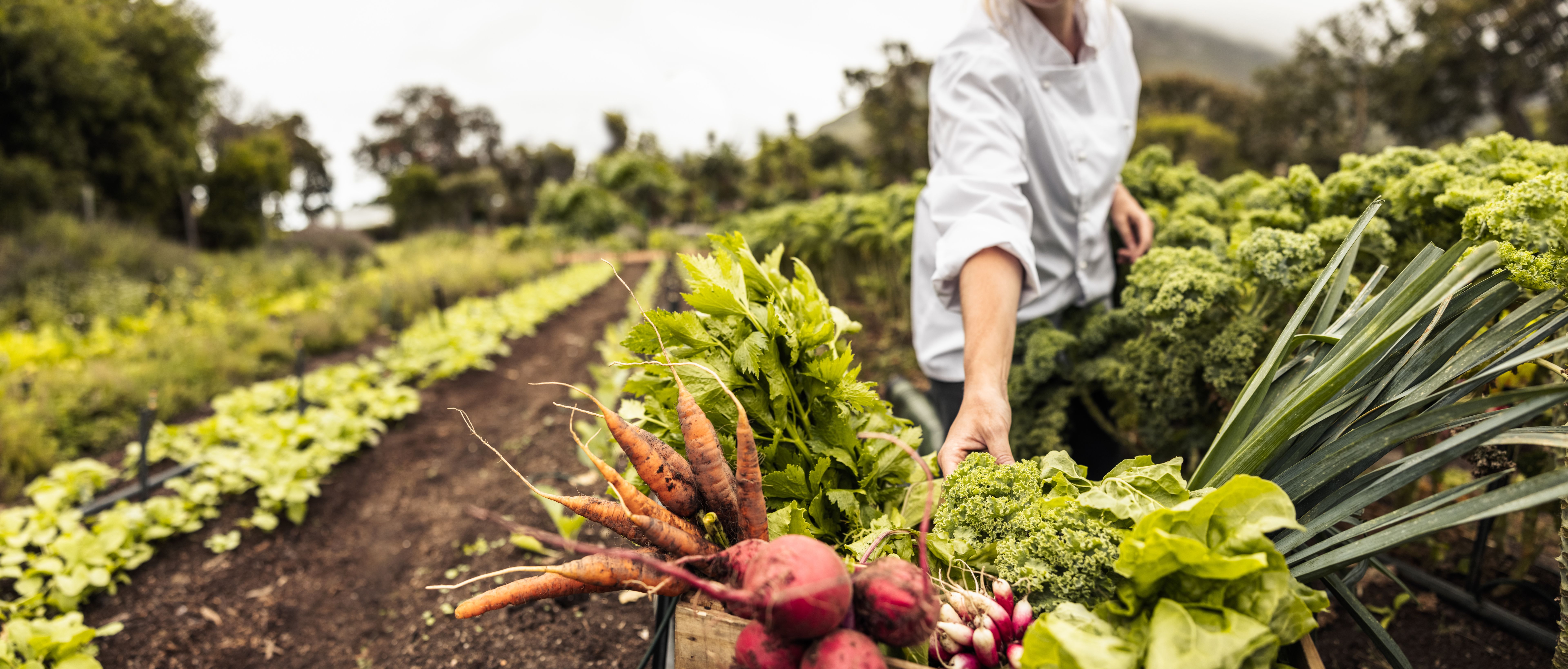
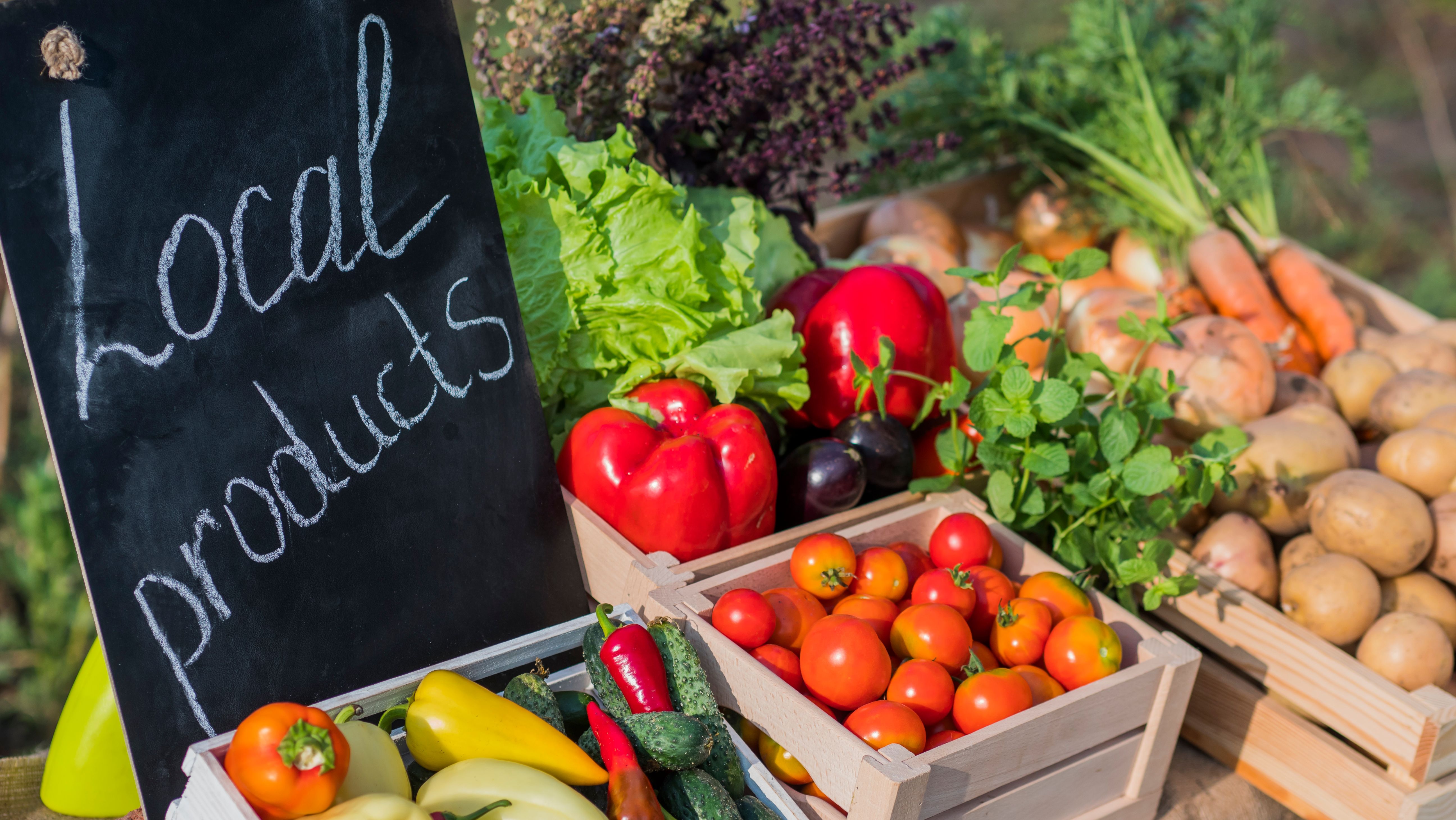
One of the standout features of medical meals in the Triangle Area is the use of locally sourced ingredients. Farmers’ markets and local farms provide fresh produce, meats, and dairy that are integral to these meal plans. By prioritizing local ingredients, meal providers ensure freshness and reduce the carbon footprint.
Some popular local ingredients include sweet potatoes, kale, and blueberries. These ingredients are not only rich in essential nutrients but also readily available in the region, making them a staple in many medical meal plans.
Benefits of Local Ingredients
- Freshness: Local ingredients are typically fresher, enhancing the taste and nutritional value of meals.
- Support for Local Economy: Purchasing locally helps support farmers and businesses in the area.
- Sustainability: Reducing transportation distances helps lower the environmental impact.
Customized Meal Plans
Customization is key when it comes to medical meals. Nutritionists and chefs work together to create meal plans tailored to individual health needs and preferences. This personalized approach ensures that dietary requirements are met without compromising on flavor.
For example, someone with a gluten intolerance can enjoy a gluten-free version of a traditional Southern dish, ensuring they don't miss out on local culinary experiences. These adaptations make it easier for individuals to adhere to their dietary plans.
Steps to Creating a Personalized Plan
- Conduct a detailed health assessment to understand dietary needs.
- Select local ingredients that align with health goals.
- Collaborate with chefs to create flavorful, balanced meals.
- Regularly review and adjust the meal plan based on feedback and health progress.

The Future of Medical Meals
The trend of integrating local flavors into medical meals is expected to grow as more people become aware of the benefits. With advancements in nutritional science, the potential for creating even more personalized and effective meal plans is promising.
As the Triangle Area continues to embrace this innovative approach, it serves as a model for other regions looking to combine health and local cuisine. This not only enhances the dining experience but also contributes to a healthier community.