Future of Medical Meals in 2026


The Evolution of Medical Meals
The landscape of medical meals is rapidly evolving. By 2026, the integration of technology and personalized nutrition will redefine how patients receive dietary care. These advancements promise to enhance patient outcomes, improve adherence to medical guidelines, and even offer a more enjoyable dining experience.

Personalized Nutrition Plans
One of the most significant changes on the horizon is the customization of medical meals to individual needs. With advancements in genetic testing and AI-driven analytics, diets can be tailored to a patient's unique genetic makeup, lifestyle, and health conditions. This personalized approach ensures that patients receive the optimal balance of nutrients, aiding in faster recovery and improved overall health.
For instance, patients with chronic conditions like diabetes or heart disease can receive meals specifically designed to manage their symptoms and promote wellness. This shift from a one-size-fits-all model to a personalized plan is a game-changer in medical nutrition.
Technology Integration in Meal Delivery
The delivery of medical meals is also set to become more efficient and accessible. The use of AI and machine learning in logistics allows for precise delivery scheduling, ensuring that meals arrive fresh and at the most convenient times for patients. Drones and autonomous vehicles may soon become a common sight, making meal delivery faster and more reliable.
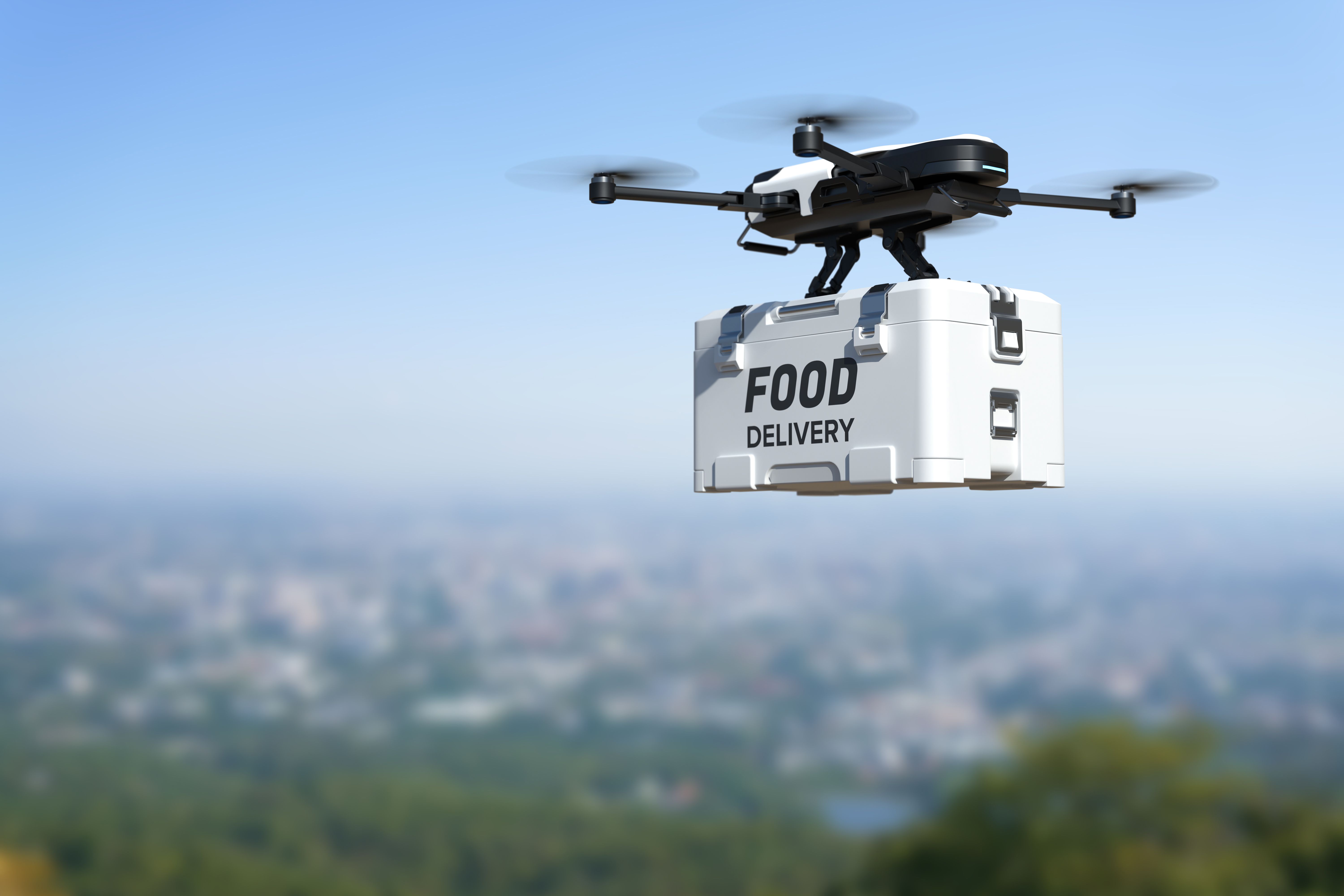
Furthermore, smart packaging equipped with sensors can monitor the condition of the food, alerting both the provider and the patient if any issues arise. This technology not only ensures food safety but also enhances the overall user experience.
Emphasis on Sustainability
As awareness of environmental issues grows, the future of medical meals will also prioritize sustainability. This includes sourcing ingredients locally and reducing waste through innovative packaging solutions. By 2026, we can expect medical meal providers to adopt eco-friendly practices, contributing to a healthier planet.
Many companies are exploring plant-based options that offer the necessary nutrients while minimizing environmental impact. This trend not only supports patient health but also aligns with global efforts to promote sustainable living.

Enhanced Patient Engagement
Engagement and education are crucial components of the future of medical meals. Interactive applications and platforms will empower patients to take an active role in their dietary management. These tools can offer insights into nutritional content, provide meal suggestions, and allow for easy communication with healthcare providers.
Additionally, gamification elements may be introduced to encourage adherence to dietary plans. By making the process engaging and rewarding, patients are more likely to stick to their prescribed nutrition regimens.
The Role of Healthcare Providers
Healthcare providers will continue to play a vital role in the evolution of medical meals. Their collaboration with nutritionists and technologists will ensure that the meals meet medical standards while also considering patient preferences and cultural backgrounds.
This collaborative approach will lead to more holistic care, where patients feel supported not just medically, but also emotionally and culturally.

In conclusion, the future of medical meals in 2026 looks promising, with personalized nutrition, technological integration, and sustainability at the forefront. These changes are set to revolutionize patient care, offering meals that are not only medically appropriate but also enjoyable and environmentally conscious.