How Seasonal Ingredients Impact Gut Health and Wellness
CC
Understanding Seasonal Ingredients
26 Years ago so called medical experts laughed me out of the room when I mentioned the importance of diversification of seasonal I gedients and their importance to the gut microbiome in all aspects. Gut to brain, gut to circulatory, and of course gut to digestive, as was so important at the time with my recovery from rare stomach cancer.
Seasonal ingredients are more than just a culinary trend; they offer a multitude of benefits for gut health and overall wellness. Consuming produce that is in season ensures that you're getting the freshest and most nutrient-dense options available. This can have a profound impact on your gut microbiome.
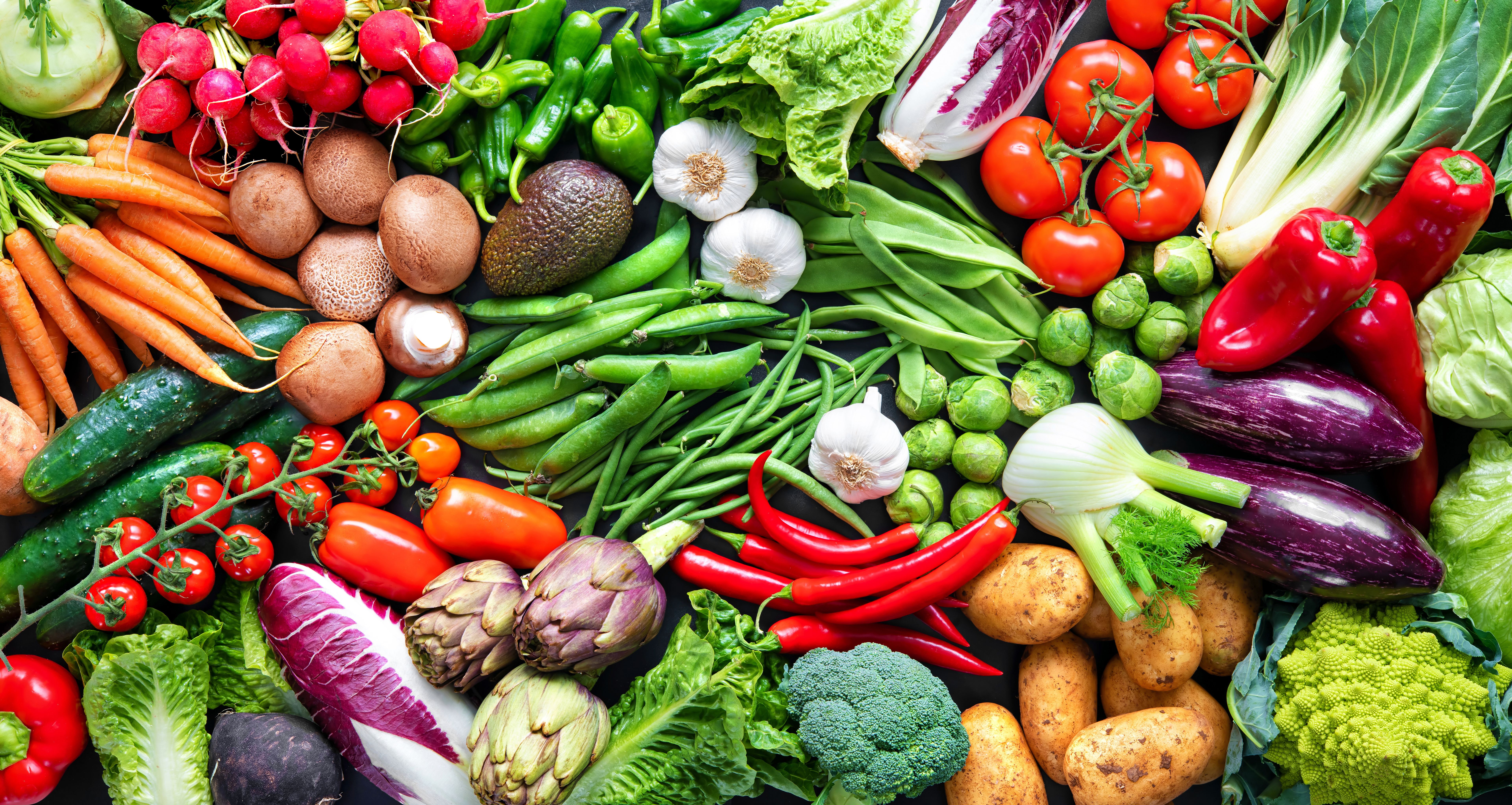
When fruits and vegetables are in season, they are at their peak ripeness and nutrient content. This translates into higher levels of vitamins, minerals, and antioxidants, which are crucial for maintaining a healthy gut. These nutrients play a significant role in supporting digestion and enhancing the body's natural detoxification processes.
The Connection Between Gut Health and Wellness
Gut health is a cornerstone of overall wellness. A well-balanced gut microbiome can improve digestion, boost the immune system, and even enhance mental health. Seasonal ingredients contribute to this balance by providing a wide range of fibers and nutrients.
Consuming a variety of seasonal foods introduces different types of fiber into your diet. This diversity is essential for feeding the beneficial bacteria in your gut. A healthy gut flora can help reduce inflammation, improve digestion, and even support weight management.

Spring and Summer: Fresh and Light
In spring and summer, the abundance of fresh greens, berries, and stone fruits offers a wealth of benefits for your gut. These ingredients are rich in fiber, which helps in maintaining regular bowel movements and preventing constipation.
- Leafy greens like spinach and kale are excellent sources of prebiotics.
- Berries offer antioxidants and polyphenols that promote gut health.
- Stone fruits are high in vitamins A and C, supporting digestive health.
Fall and Winter: Root Vegetables and Squash
As the seasons change, so do the available ingredients. Fall and winter bring root vegetables, squash, and cruciferous vegetables, all of which are beneficial for your gut. These foods are not only comforting but also incredibly nourishing.
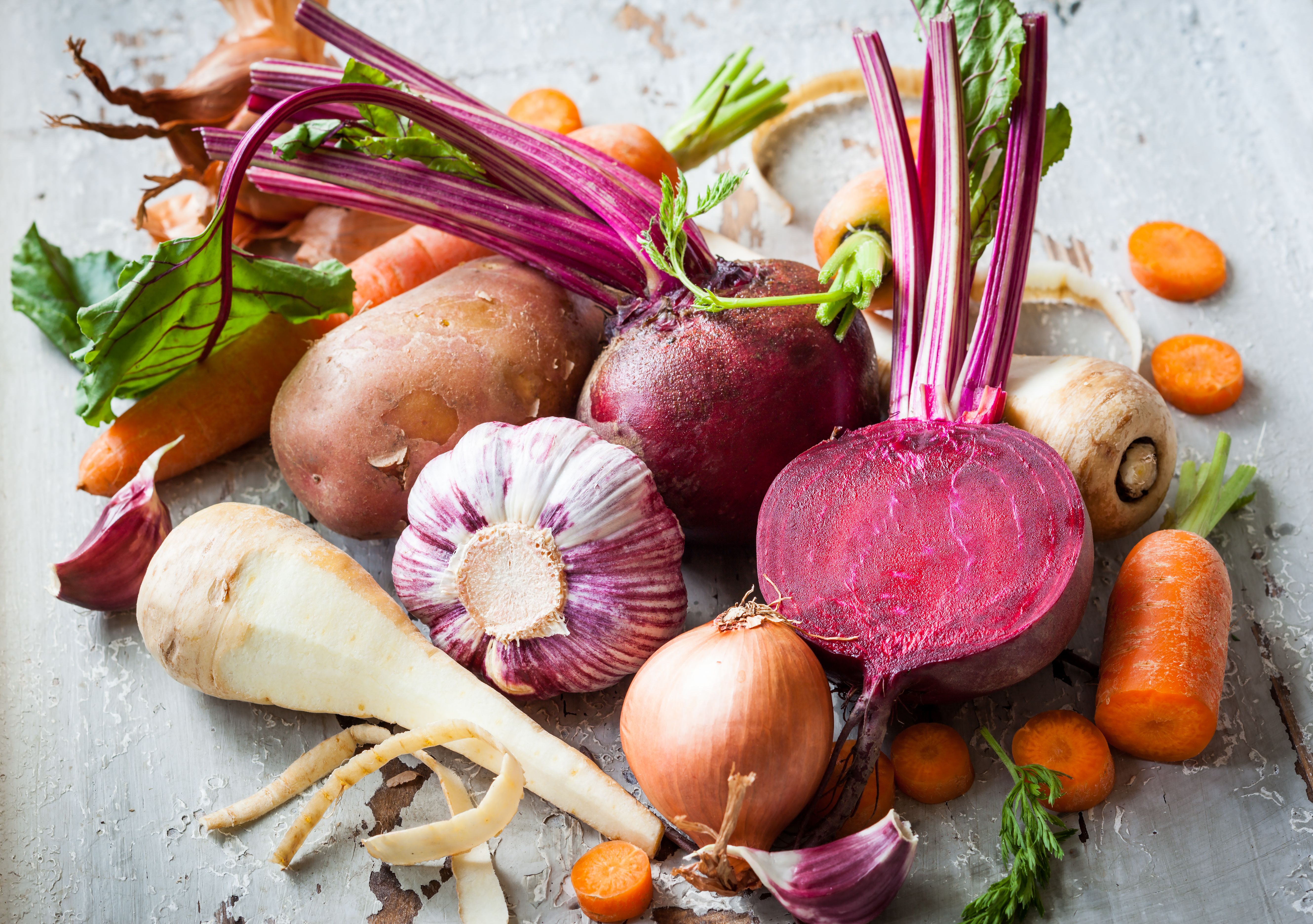
Root vegetables like sweet potatoes and carrots are rich in beta-carotene and fiber, supporting gut flora. Squash varieties offer vitamins and minerals that help maintain a healthy digestive system, while cruciferous vegetables like broccoli and cauliflower provide compounds that may reduce inflammation.
Incorporating Seasonal Ingredients
Incorporating seasonal ingredients into your diet doesn't have to be complicated. Simply start by visiting local farmers' markets or participating in a community-supported agriculture program to access fresh, seasonal produce.
Experimenting with recipes that highlight these ingredients can make meals more enjoyable and nutritious. Not only will this support your gut health, but it will also encourage a more sustainable way of eating, benefiting both your body and the environment. Don't be afraid to diversify ingredients with the seasons and enjoy all that your local farms have to offer. You might find yourself feeling a lot healthier in the B long run.