From Farm to Table: How a Private Chef Sources Ingredients for Your Meals


The Journey Begins: Understanding the Farm-to-Table Movement
The farm-to-table movement emphasizes sourcing fresh, local ingredients directly from farmers to create meals that are not only delicious but also sustainable. For private chefs, this approach ensures that every dish is crafted with the finest ingredients, reflecting the true flavors of the region. This journey from farm to table is a commitment to quality, supporting local agriculture, and reducing the carbon footprint.
Private chefs are increasingly adopting this philosophy, focusing on transparency in sourcing and a deeper connection with the food they prepare. This dedication results in meals that are not only healthier but also more flavorful, providing a unique dining experience.
Building Relationships with Local Farmers
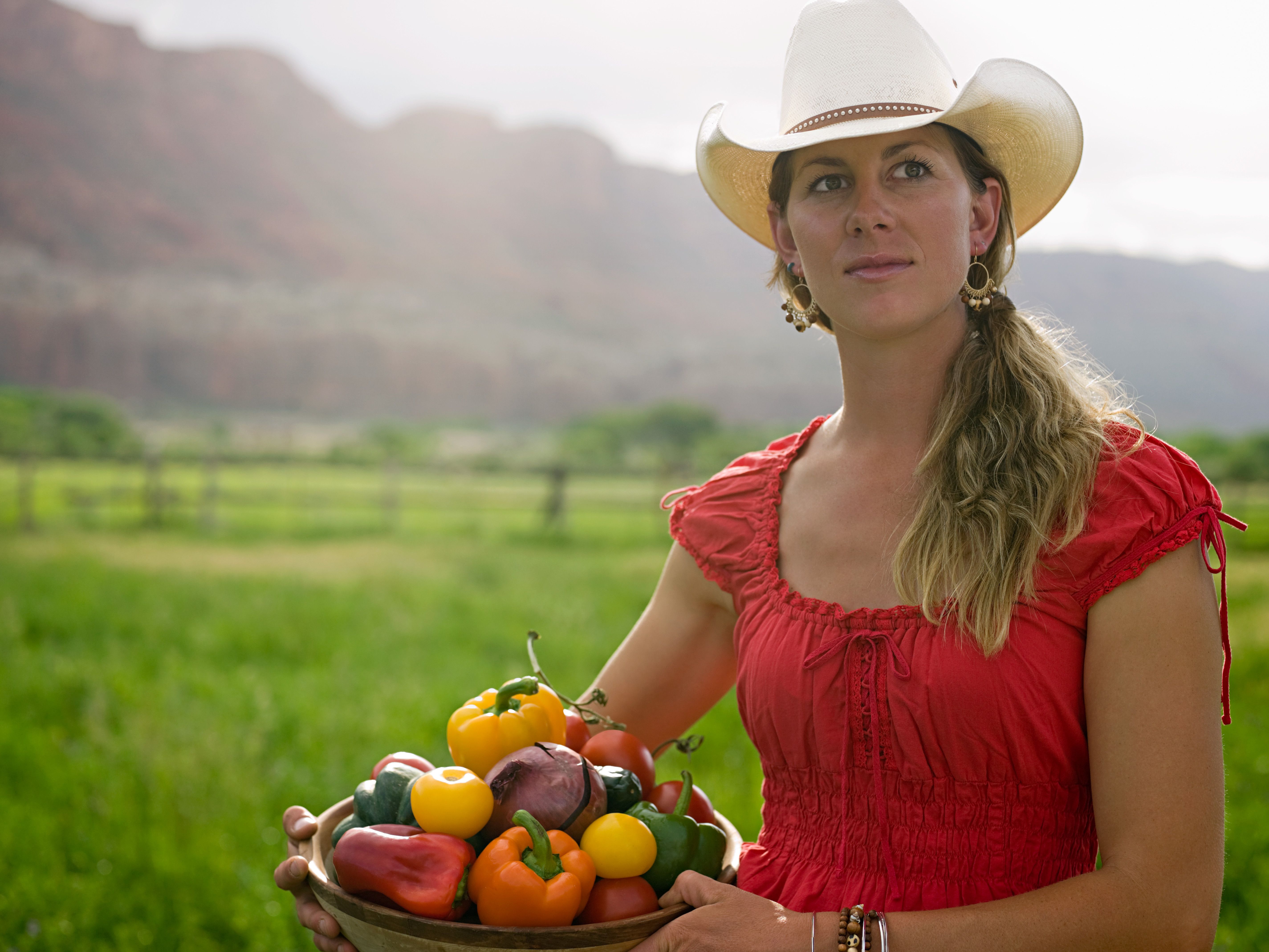
One of the essential aspects of sourcing ingredients is establishing strong relationships with local farmers. Private chefs often visit farmers' markets and local farms to handpick the freshest produce, meats, and dairy products. This direct interaction ensures that chefs understand the farming practices, guaranteeing that the ingredients meet their culinary standards.
By working closely with farmers, chefs can also provide feedback on the quality and variety of produce, fostering a collaborative environment. This partnership not only benefits the chefs but also supports the local economy, ensuring that small-scale farmers thrive.
Seasonal Ingredients: A Key to Unforgettable Meals
Embracing seasonal ingredients is a hallmark of the farm-to-table philosophy. Private chefs tailor their menus based on the seasonal availability of produce, ensuring that every dish celebrates the current harvest. This approach not only enhances the flavor profile of the meals but also introduces diners to a variety of ingredients throughout the year.
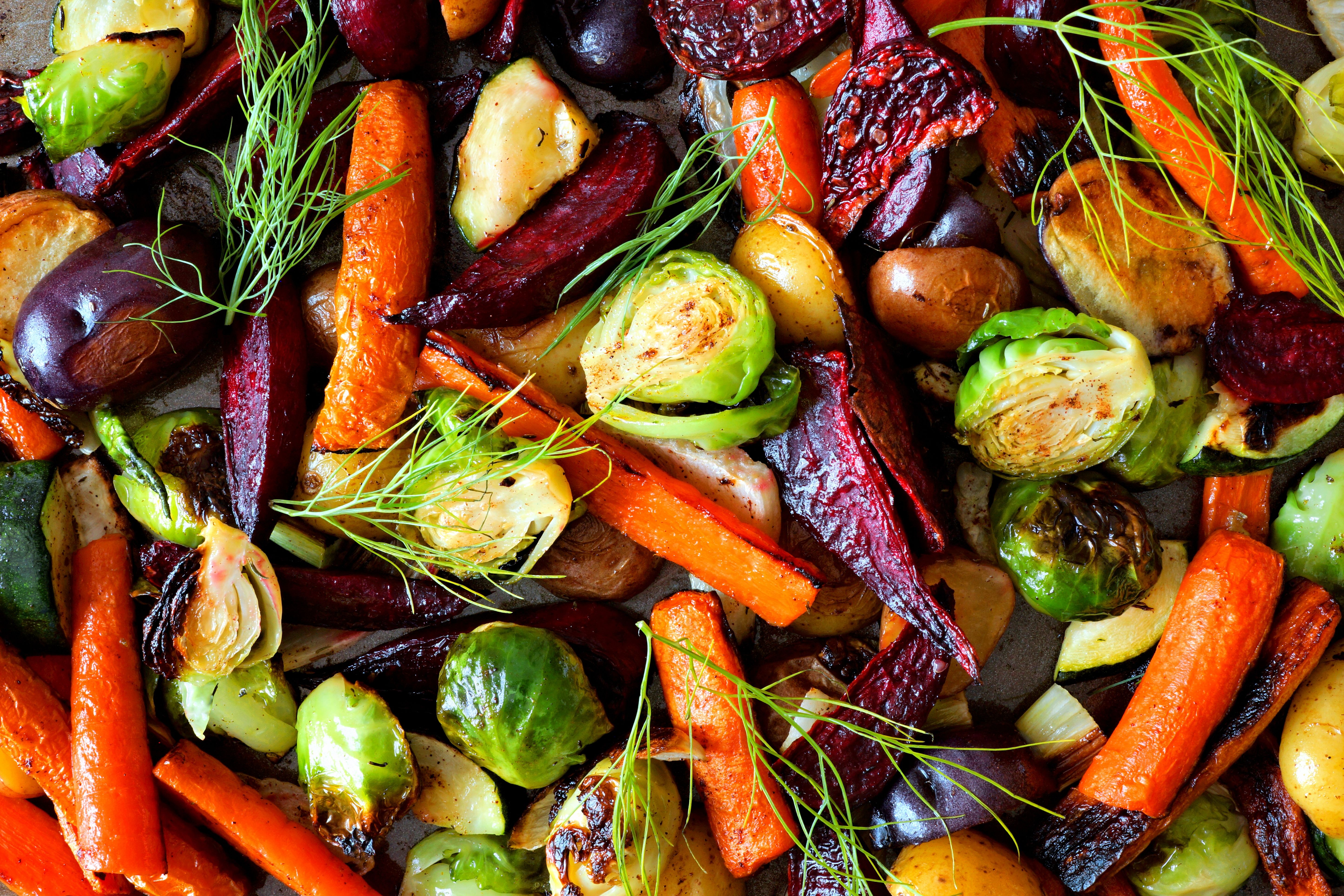
Utilizing seasonal produce allows chefs to experiment with new recipes and flavors, keeping the dining experience fresh and exciting. It also encourages sustainability by reducing the need for long-distance transportation of out-of-season ingredients.
Sourcing Ethical and Sustainable Proteins
For private chefs, sourcing ethical and sustainable proteins is just as important as selecting fresh produce. Chefs often partner with local butchers and fishmongers who prioritize humane and environmentally friendly practices. This ensures that the meats and seafood used are of the highest quality and support ethical farming and fishing methods.
By choosing sustainable proteins, chefs contribute to the preservation of wildlife and marine ecosystems, aligning their culinary practices with broader environmental goals.

Crafting Menus with Integrity and Innovation
A successful farm-to-table menu reflects both integrity and innovation. Private chefs meticulously plan their menus, balancing traditional recipes with modern twists that highlight the natural flavors of the ingredients. This creativity not only delights the palate but also respects the hard work of local producers.
Menus are often adaptable, allowing chefs to incorporate unexpected finds from the market. This flexibility ensures that each meal is a unique and memorable experience for diners.
The Benefits of Farm-to-Table Dining
There are several benefits to embracing farm-to-table dining, both for chefs and their clients. For chefs, it allows for greater creativity and a deeper connection to their craft. For diners, it offers meals that are fresher, healthier, and more flavorful, with the added satisfaction of knowing they are supporting local communities.
This approach to dining not only enhances the culinary experience but also fosters a sense of community and sustainability, making it a rewarding choice for everyone involved.